
Understanding the unique challenges of military life and supporting families through transitions.
Military/Veteran Families
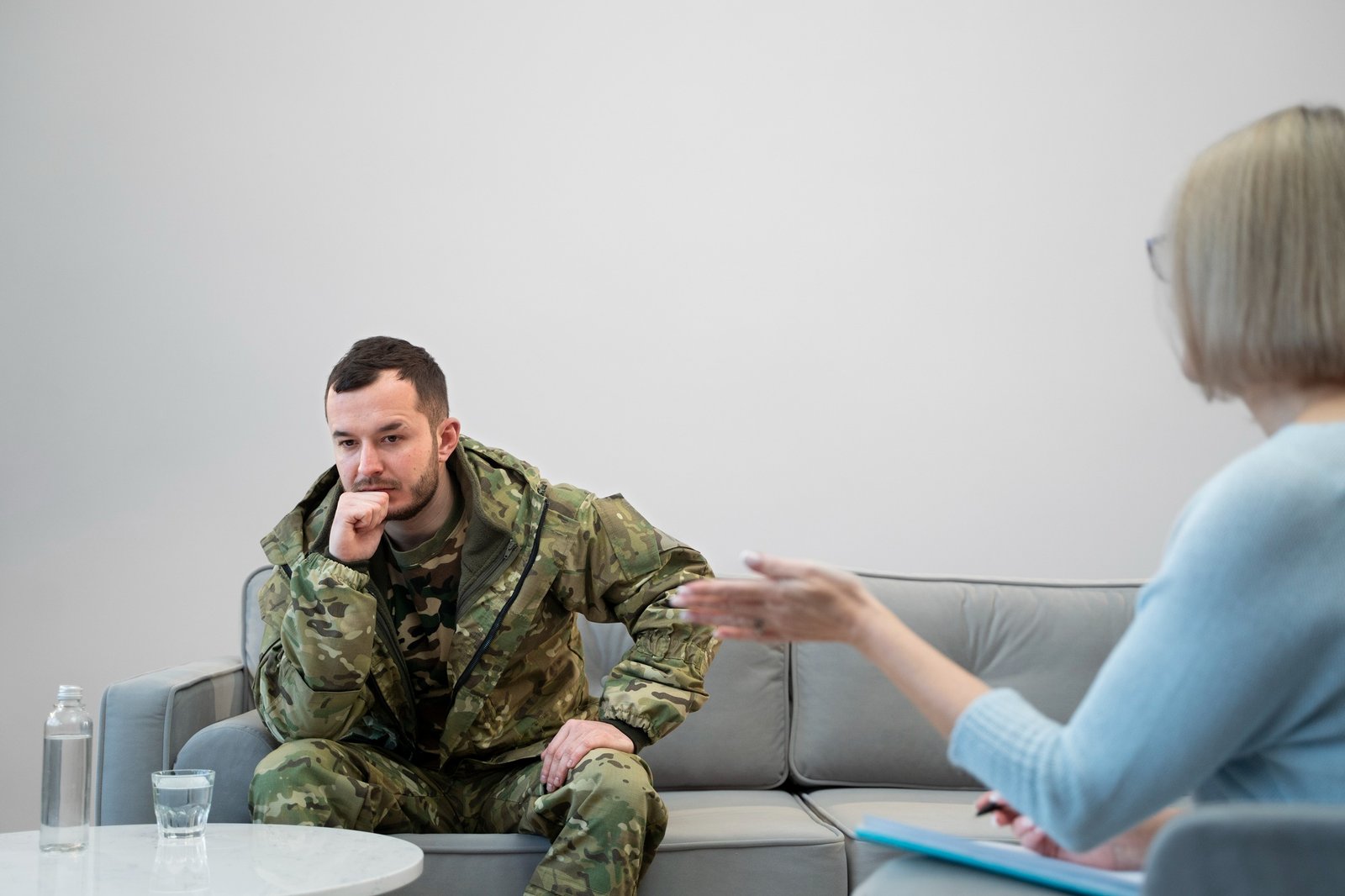
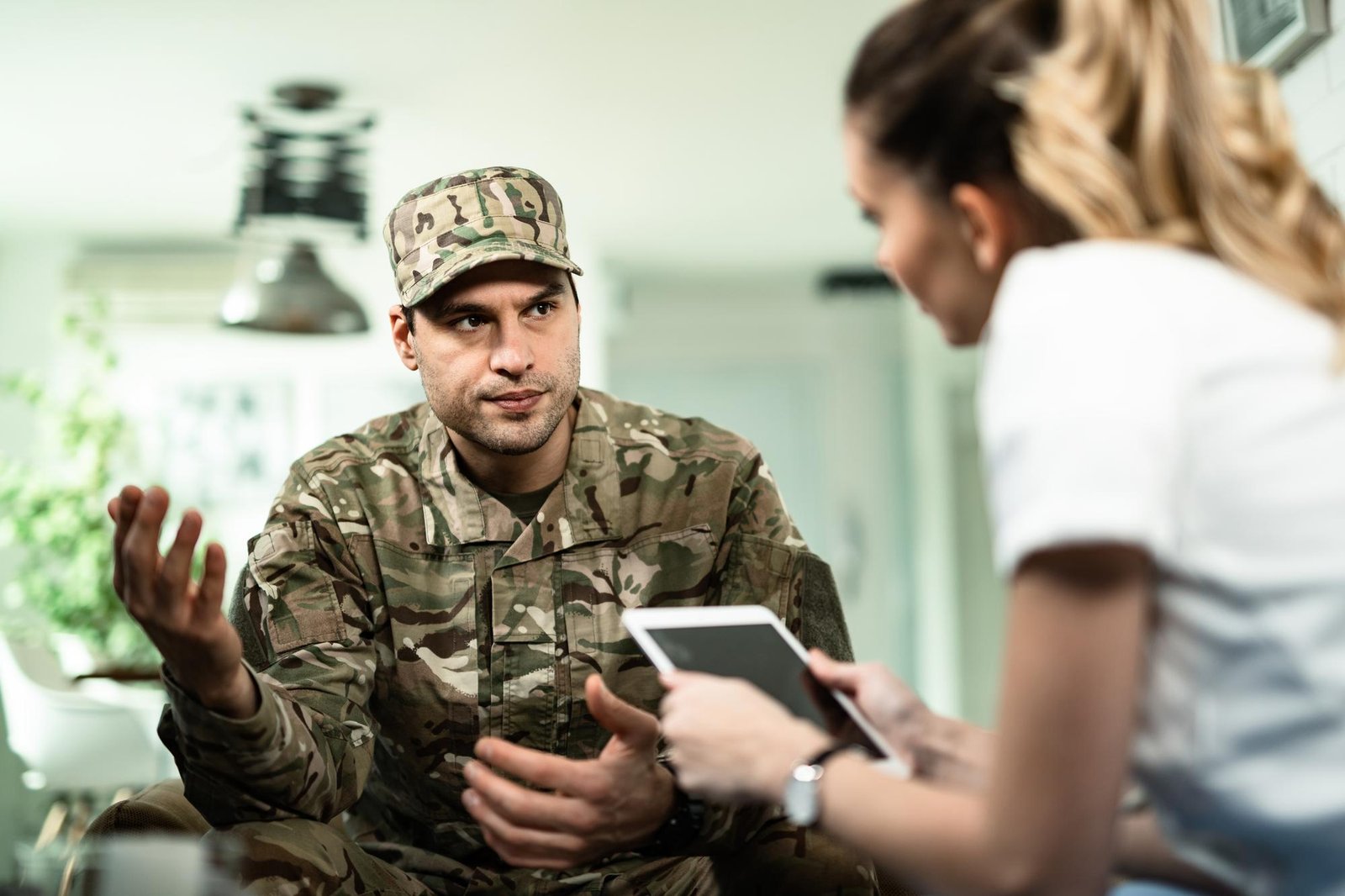
Military and veteran families face experiences and stressors that can be difficult to fully understand without living them. Whether it’s deployment, frequent moves, reintegration, or the emotional effects of service, counseling offers a supportive space to strengthen communication, resilience, and connection within your family unit.
There are many situations and experiences that are difficult to fully understand without and being in a military family is certainly one of them. The wide range of emotions are a constant presence from pride, excitement, and curiosity to fear, frustration, confusion, and the always unknown. I remember one time a family member saying, “well, can’t you just tell them no” when plans changed last minute and we couldn’t be home for a holiday or family event (for the countless time) and that’s just not how it works as all military families know.
In addition to being a military/veteran spouse, I also worked as a Military and Family Life Counselor (MFLC) providing counseling services to service members and their families on multiple military installations. Being able to meet the service members and families in their element and decreasing as many barriers to entry as possible for counseling services was truly an honor. Seeking help or needing help is not weak. Humans are not invincible and even the strongest need to recharge every now and then.
What Military & Veteran Family Counseling Looks Like
- Navigate deployment and reintegration transitions
- Strengthen family communication
- Address stress, anxiety, or emotional strain
- Support children adjusting to changes
- Process experiences related to military service
When to Seek Support
- Ongoing tension or communication breakdowns at home
- Difficulty adjusting after deployment or relocation
- Increased anxiety, irritability, or emotional withdrawal
- Children struggling with behavioral or emotional changes
- Challenges reconnecting as a couple or family